For cannabis enthusiasts in Ottawa, Gatineau, Orleans, and across Ontario, understanding the anatomy of the cannabis plant goes far beyond simple appreciation—it’s essential knowledge that helps you select the highest-quality products and understand what you’re consuming. Whether you’re exploring premium flowers or concentrates, knowing how trichomes, pistils, and flower structures work together can transform your cannabis experience.
The Cannabis Flower: Nature’s Complex Masterpiece
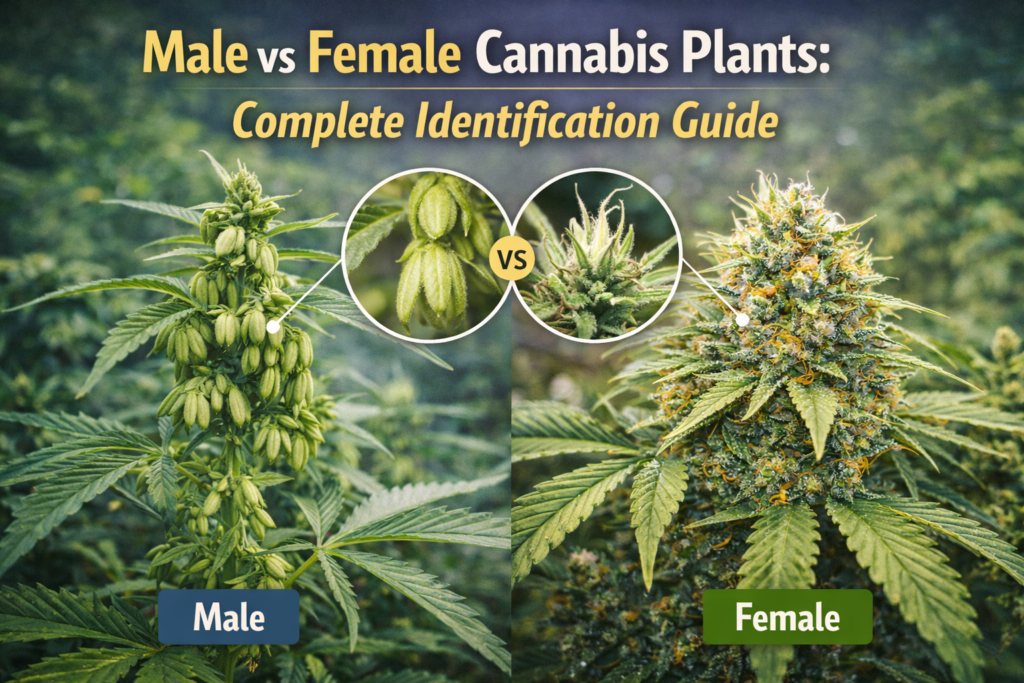
The cannabis flower, often called the “bud,” is the smokable part of the female cannabis plant that contains the highest concentration of cannabinoids and terpenes. Unlike many flowering plants, cannabis is dioecious, meaning it has separate male and female plants. For consumers, the female flowers are what matter most, as they produce the resinous buds we’re familiar with.
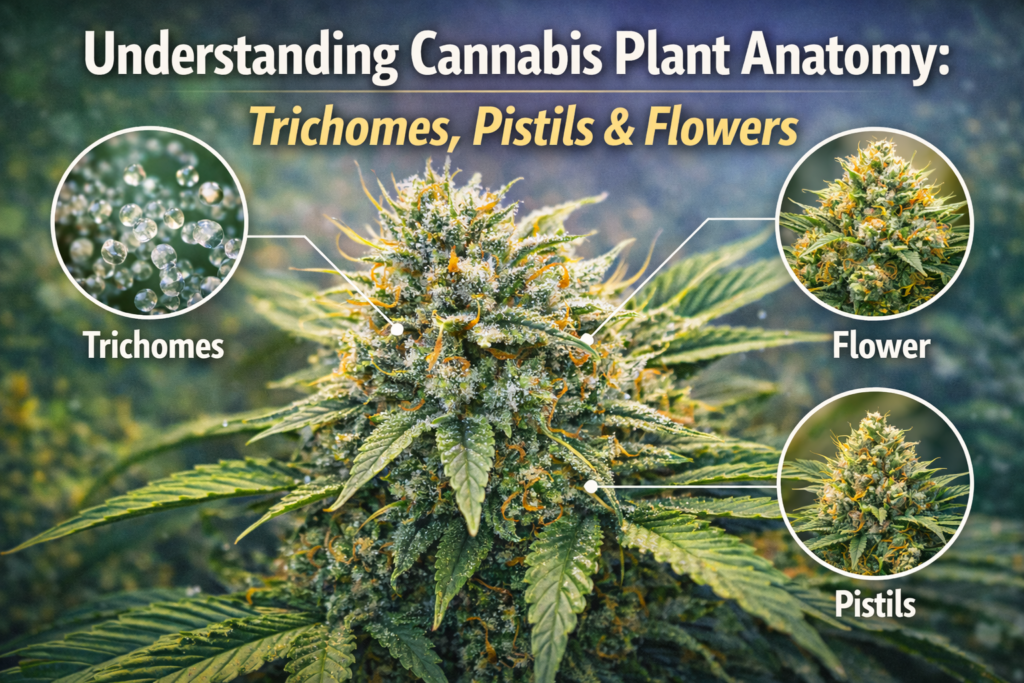
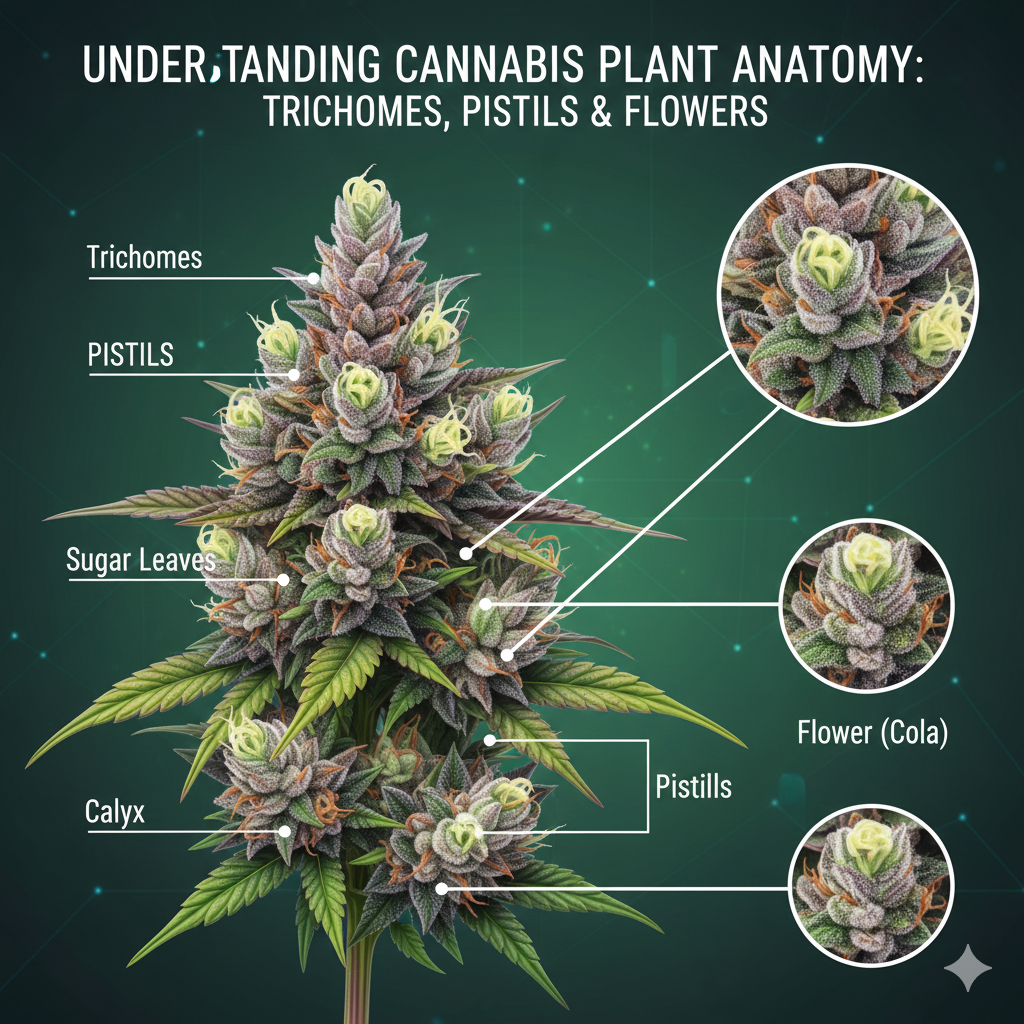
When examining quality cannabis flowers, you’ll notice they’re not simple structures but rather dense clusters of smaller components working in harmony. The flower’s anatomy includes several key parts: calyxes (the teardrop-shaped nodes that form the flower’s core), sugar leaves (small leaves covered in trichomes), pistils (hair-like structures), and the all-important trichomes that coat the surface like a crystalline blanket.
For Ottawa residents seeking premium cannabis flowers, understanding these components helps you identify truly exceptional buds. The density, trichome coverage, and overall structure tell a story about how the plant was grown, when it was harvested, and what kind of experience it will deliver.
Trichomes: The Tiny Factories of Cannabis Chemistry
Trichomes are the microscopic, mushroom-shaped glands that cover cannabis flowers and some leaves. These tiny structures are where the magic happens—they’re responsible for producing and storing the cannabinoids (like THC and CBD) and terpenes that give each strain its unique effects, flavors, and aromas.
There are three main types of trichomes on cannabis plants:
Bulbous trichomes are the smallest, measuring just 10-15 micrometers. While they’re present across the plant’s surface, they contain relatively small amounts of cannabinoids.
Capitate sessile trichomes are slightly larger and more abundant, containing moderate levels of cannabinoids and contributing to the plant’s overall potency.
Capitate-stalked trichomes are the largest and most important for consumers. These mushroom-shaped structures can reach 50-100 micrometers and contain the highest concentrations of cannabinoids and terpenes. When you see a frosty, crystalline appearance on quality cannabis, you’re looking at thousands of these capitate-stalked trichomes.
The color and condition of trichomes also indicate harvest timing and product quality. Clear trichomes suggest an immature plant, while cloudy or milky trichomes indicate peak cannabinoid production—the ideal harvest window. Amber-colored trichomes signal that THC is beginning to degrade into CBN, which produces more sedative effects.
For those interested in concentrated forms of these powerful trichomes, cannabis concentrates in Ottawa offer isolated trichome experiences. Products like diamonds, sauce, and isolates represent different extraction methods of preserving these microscopic powerhouses. Premium cannabis diamonds available in Ottawa and Gatineau are essentially crystallized THCA separated from the terpene-rich sauce, offering one of the purest forms of cannabinoid consumption available.
Pistils: The Female Reproductive Structures
Pistils are the hair-like structures that protrude from the calyxes of female cannabis flowers. These delicate, thread-like organs start out white or pale in color and darken to orange, red, or brown as the plant matures. While pistils don’t contain significant amounts of cannabinoids themselves, they’re crucial indicators of plant health, maturity, and gender.
The pistils serve a reproductive function in nature—they’re designed to catch pollen from male plants. In the cultivation environment, particularly where seedless “sinsemilla” cannabis is desired, growers remove male plants to prevent pollination. This allows female plants to focus energy on producing resinous flowers rather than seeds.
For consumers evaluating cannabis quality, pistil color and condition matter. Vibrant, intact pistils suggest proper handling and curing, while overly dark or degraded pistils might indicate age or improper storage. However, pistil color alone shouldn’t determine your purchase—it’s just one piece of the quality puzzle alongside trichome coverage, aroma, and proper curing.
The Calyx and Bract System: The Flower’s Foundation
Beneath the visible pistils and trichomes lies the calyx and bract system—the actual structural foundation of the cannabis flower. The calyx is the first part of the flower that forms, creating a protective layer around the plant’s reproductive organs. What we often refer to as the “calyx” is technically the bract, which is a specialized leaf that protects the seed-producing parts of the plant.
These teardrop-shaped structures cluster together to form what we recognize as a cannabis bud. They’re covered in resinous trichomes and vary in size depending on the strain and growing conditions. Strains with dense, compact calyxes typically produce tighter, heavier buds, while others may have more open, airy structures.
The calyx-to-leaf ratio is an important quality indicator. Premium cannabis flowers feature prominent, swollen calyxes with minimal leaf material. Excessive sugar leaves or “trim” indicate rushed processing or lower-quality cultivation. When exploring high-quality cannabis buds in Orleans, look for well-trimmed flowers where the calyxes take center stage.
How Anatomy Affects Your Cannabis Experience
Understanding cannabis anatomy isn’t just academic—it directly impacts your consumption experience and product selection. The concentration and condition of trichomes determine potency and flavor profiles. A flower with abundant, healthy trichomes will deliver stronger effects and more pronounced terpene flavors than one with damaged or sparse trichome coverage.
For those who prefer cannabis-infused products, the anatomical knowledge still applies. Cannabis edibles in Ottawa are made using extracts derived from these same trichomes. Whether you’re trying cannabis gummies in Ottawa for pain relief or exploring other edible options, the quality of the source material’s trichomes directly affects the final product’s potency and therapeutic value.
Similarly, concentrate products showcase different aspects of cannabis anatomy. Cannabis sauce concentrates preserve both the cannabinoid-rich crystalline structures and the terpene-laden liquid, offering a full-spectrum experience that maintains the plant’s original chemical profile.
Selecting Quality Cannabis Based on Anatomy
Armed with anatomical knowledge, you can make more informed purchasing decisions. When examining cannabis flowers, use these anatomical indicators:
Trichome coverage should be dense and visible to the naked eye, giving flowers a frosty, crystalline appearance. Avoid products where trichomes appear damaged or absent.
Pistil condition should show vibrant colors with intact structures. While color varies by strain, pistils shouldn’t appear excessively degraded or brittle.
Calyx structure should be prominent and well-developed, with minimal leaf material obscuring the flower structure.
Overall density varies by strain, but flowers should feel appropriately substantial without being overly compressed or airy.
Aroma intensity directly correlates with terpene production in trichomes. Strong, pleasant aromas indicate well-preserved trichomes and proper curing.
Conclusion: Anatomy Meets Quality
Understanding cannabis plant anatomy—from microscopic trichomes to visible pistils and flower structures—empowers you to select superior products and appreciate the complexity of what you’re consuming. Whether you’re purchasing premium flowers, exploring potent concentrates, or trying cannabis edibles in Ottawa and surrounding areas, this foundational knowledge helps you identify quality and make choices aligned with your preferences.
The cannabis plant’s anatomy represents millions of years of evolution, refined by decades of selective breeding to produce the diverse, potent varieties available today. By recognizing the role each component plays, you transform from a passive consumer into an educated enthusiast capable of appreciating the remarkable botanical engineering behind every quality cannabis product.
For residents of Ottawa, Gatineau, Orleans, and across Ontario, accessing high-quality cannabis products that showcase exceptional plant anatomy has never been easier, allowing you to experience the full potential of this remarkable plant’s natural design.