Understanding how cannabis interacts with the human brain is essential for anyone considering its use, whether for recreational enjoyment or therapeutic purposes. The science behind marijuana’s effects reveals a fascinating relationship between plant compounds and our body’s natural systems. For residents of Ottawa, Gatineau, Orleans, and other Canadian cities exploring cannabis products, this knowledge helps make informed decisions about consumption methods, dosages, and product selection.
The Endocannabinoid System: Your Brain’s Natural Cannabis Network
The human brain contains a sophisticated communication network called the endocannabinoid system (ECS), which exists in every person regardless of whether they’ve ever consumed cannabis. This system plays crucial roles in regulating mood, memory, appetite, pain sensation, and sleep. The ECS consists of cannabinoid receptors, endocannabinoids (compounds naturally produced by your body), and enzymes that break down these compounds.
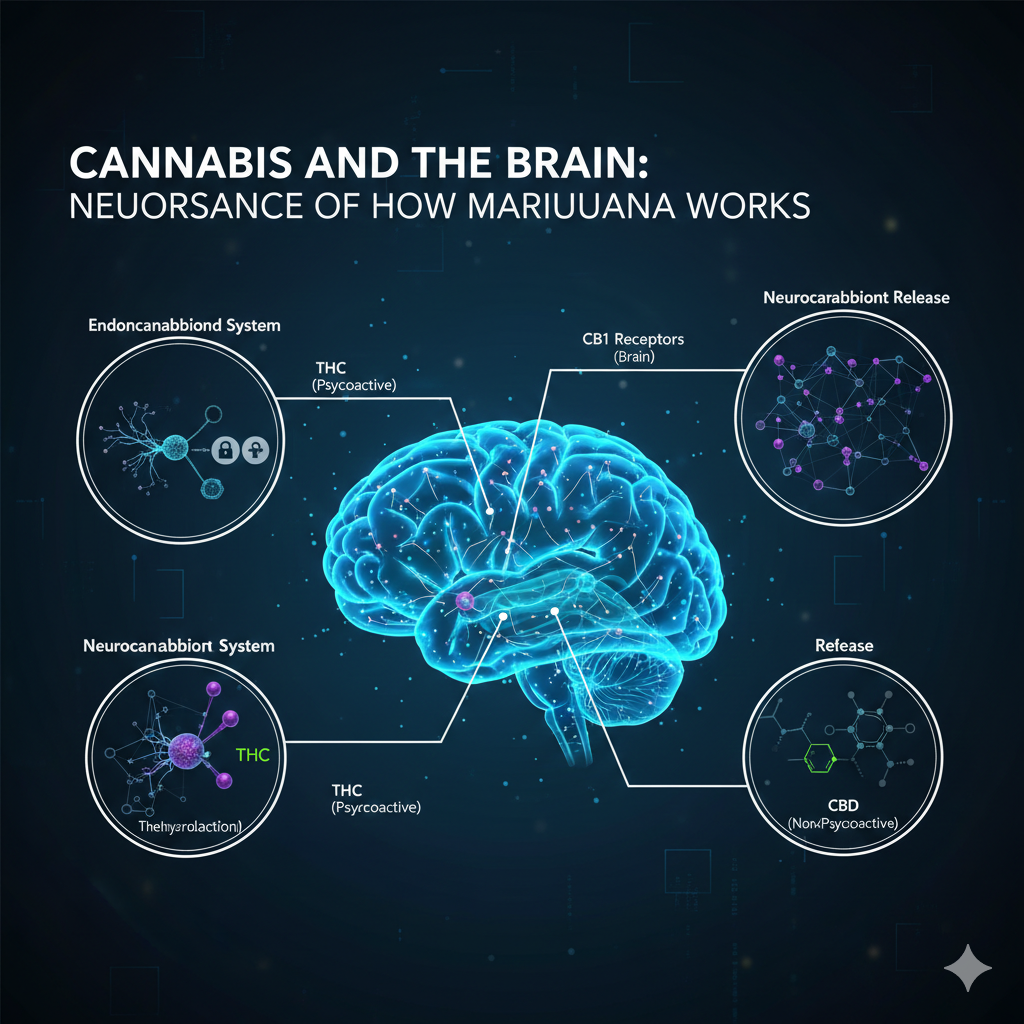
When you consume cannabis, whether through smoking flower or consuming edibles, the plant’s cannabinoids interact with this existing system. The two primary cannabinoid receptors are CB1, predominantly found in the brain and central nervous system, and CB2, mainly located in the immune system and peripheral tissues. This intricate system explains why cannabis can affect so many different aspects of human physiology and psychology.
How THC Works in Your Brain
Tetrahydrocannabinol (THC) is the primary psychoactive compound in cannabis responsible for the characteristic “high.” When THC enters your bloodstream—whether through inhalation or digestion—it travels to your brain and binds primarily to CB1 receptors. This binding action mimics your body’s natural endocannabinoids but with more intensity and duration.
THC’s interaction with CB1 receptors in different brain regions produces various effects. In the hippocampus, it can temporarily impair short-term memory formation. In the amygdala, it may alter emotional processing and reduce anxiety in some users while potentially increasing it in others. The cerebellum and basal ganglia involvement explains why coordination and movement can be affected during intoxication.
For those exploring cannabis consumption in Ottawa and surrounding areas, understanding THC’s mechanism helps explain why cannabis gummies provide such consistent and predictable effects. These precisely dosed edibles allow the THC to be metabolized through the liver, converting it to 11-hydroxy-THC—a more potent compound that produces longer-lasting effects compared to smoking. This makes edibles particularly effective for sustained pain relief and relaxation.
The CBD Difference: Non-Intoxicating Brain Benefits
Cannabidiol (CBD) represents the other major cannabinoid in cannabis, offering therapeutic benefits without the psychoactive high. Unlike THC, CBD doesn’t directly bind to CB1 or CB2 receptors. Instead, it works through indirect mechanisms, including inhibiting the enzyme that breaks down anandamide—often called the “bliss molecule”—one of your body’s natural endocannabinoids.
CBD also interacts with serotonin receptors, which may explain its potential anti-anxiety and antidepressant properties. Research suggests CBD can modulate THC’s effects, potentially reducing some of the anxiety or paranoia that high-THC products might cause in sensitive individuals. This is why many consumers seek balanced products that contain both cannabinoids.
When exploring premium edibles in Gatineau or other Canadian cities, look for products that clearly label their CBD and THC ratios. This transparency allows you to select products that match your desired experience and tolerance level.
Cannabis Concentrates and Potency Considerations
The neuroscience of cannabis becomes particularly relevant when discussing concentrates, which contain significantly higher cannabinoid levels than traditional flower. Products like shatter, wax, and diamonds can contain 70-90% THC, compared to 15-25% in most cannabis flowers. This concentration means CB1 receptors receive a much more intense cannabinoid signal.
For experienced consumers in Orleans and Ottawa seeking powerful effects, cannabis concentrates offer efficient delivery of cannabinoids. However, the intense receptor activation requires careful dosing. The brain’s neuroplasticity means that regular high-potency use can lead to tolerance, requiring higher doses over time to achieve the same effects.
Cannabis diamonds, which are nearly pure THCA crystals, represent the pinnacle of concentrate purity. When heated, THCA converts to THC and provides exceptionally potent effects. Understanding how these concentrated forms interact with your brain’s receptors helps explain why starting with minimal amounts is crucial for both safety and enjoyment.
Different Consumption Methods, Different Brain Effects
The route of administration significantly affects how cannabis interacts with your brain. Smoking or vaporizing cannabis delivers cannabinoids to the brain within minutes, as compounds are absorbed through lung tissue directly into the bloodstream. This rapid onset allows users to titrate their dose more easily, stopping when desired effects are achieved.
Edibles follow a completely different path. After consumption, cannabinoids must pass through the digestive system and liver before entering the bloodstream. This process takes 30 minutes to two hours but produces effects lasting 4-8 hours or longer. The liver’s metabolism converts delta-9-THC to 11-hydroxy-THC, which crosses the blood-brain barrier more efficiently and binds to CB1 receptors with greater affinity.
This explains why cannabis chocolates in Ottawa and other edibles can feel more intense and body-centered compared to smoking. The extended duration makes edibles ideal for conditions requiring long-lasting relief, such as chronic pain or insomnia, but requires patience and careful dosing to avoid overconsumption.
Neuroplasticity and Tolerance Development
Your brain demonstrates remarkable adaptability when exposed to regular cannabis use. With repeated THC exposure, CB1 receptors can downregulate—meaning the brain produces fewer receptors or makes existing ones less sensitive. This neuroplastic response is the biological basis for tolerance development.
Regular consumers often notice they need larger doses to achieve the same effects they initially experienced. This adaptation isn’t necessarily harmful but represents your brain’s attempt to maintain homeostasis despite external cannabinoid introduction. Taking periodic tolerance breaks allows receptor density to return toward baseline levels.
Understanding this mechanism helps explain why rotating between different products and potencies can be beneficial. Alternating between high-quality cannabis buds and lower-potency options, or incorporating CBD-rich products, may help manage tolerance while maintaining therapeutic benefits.
Memory, Learning, and the Hippocampus
Cannabis’s effects on memory formation occur primarily through THC’s interaction with CB1 receptors in the hippocampus, a brain region critical for creating new memories. During intoxication, the disruption of hippocampal signaling can impair the formation of new short-term memories, explaining why people sometimes have difficulty remembering events that occurred while under the influence.
However, this effect is temporary and dose-dependent. Lower doses may have minimal impact on memory, while high doses can significantly impair encoding. Importantly, cannabis doesn’t erase existing memories or cause permanent memory damage in most users, though very heavy, long-term use during adolescence may have more lasting effects on developing brains.
For adults using cannabis responsibly in Cornwall, Kanata, or other Canadian communities, understanding these cognitive effects helps with planning consumption around activities requiring sharp mental focus versus relaxation time.
Making Informed Choices for Your Brain
The neuroscience of cannabis reveals why individual responses vary so widely. Genetic differences in endocannabinoid system function, receptor density variations, and metabolism rates all influence how cannabis affects each person’s brain. What provides perfect relaxation for one person might cause anxiety in another.
Starting with low doses and gradually increasing allows you to discover your optimal range while minimizing unwanted effects. Choosing products with transparent labeling and consistent quality, such as those available through reputable sources in Ottawa and Gatineau, ensures you know exactly what cannabinoids and terpenes you’re consuming.
Whether you’re exploring cannabis for the first time or seeking to deepen your understanding, the relationship between these plant compounds and your brain’s intricate systems offers a compelling example of how natural substances can interact with human biology. Armed with knowledge about cannabinoid receptors, metabolism, and neuroplasticity, you can make choices that align with your wellness goals while respecting your brain’s remarkable complexity.
The future of cannabis research continues unveiling new insights into these mechanisms, promising even more sophisticated understanding of how marijuana works in the brain and how we can harness these effects for both therapeutic and recreational benefit.